


How We Create Value for Owners Through Property Hosting
Property ownership is not the same as property operation. Most owners do not fall short for lack of effort, but because the economics of operations are often misread.
Direct costs in short-term rentals are visible: platform fees, cleaning, laundry, utilities. What is commonly underpriced are the costs that sit between these line items. Hosting requires organising people and tasks under uncertainty, sustaining stable standards across turnovers, responding within narrow time windows, and reducing friction in the guest journey that translates into weaker reviews and lower pricing power. These costs rarely appear as explicit line items, yet they materially shape performance.
When owners do not come from an economics, finance, or management background, the trap is understandable. Informal self-management can look efficient because it compresses visible expenditure. In practice, that type of “saving” is often an accounting illusion: the cost is not removed, it is shifted into variance in execution and a weaker control environment, and it becomes observable only once performance starts to deteriorate.
This is most relevant when market conditions tighten. In demand-rich periods, imperfections are often absorbed. As supply approaches demand and competitive pressure increases, the properties that remain consistently successful tend to be those run on a disciplined operating system.
That is where we think we can add value.
Our model is built around economies of coordination and scale. Centralised operations reduce the marginal cost of maintaining standards and responding quickly. In that setting, our fee functions as an operational advantage: it substitutes fragmented self-management with a structured operating capability that improves execution stability and overall efficiency.
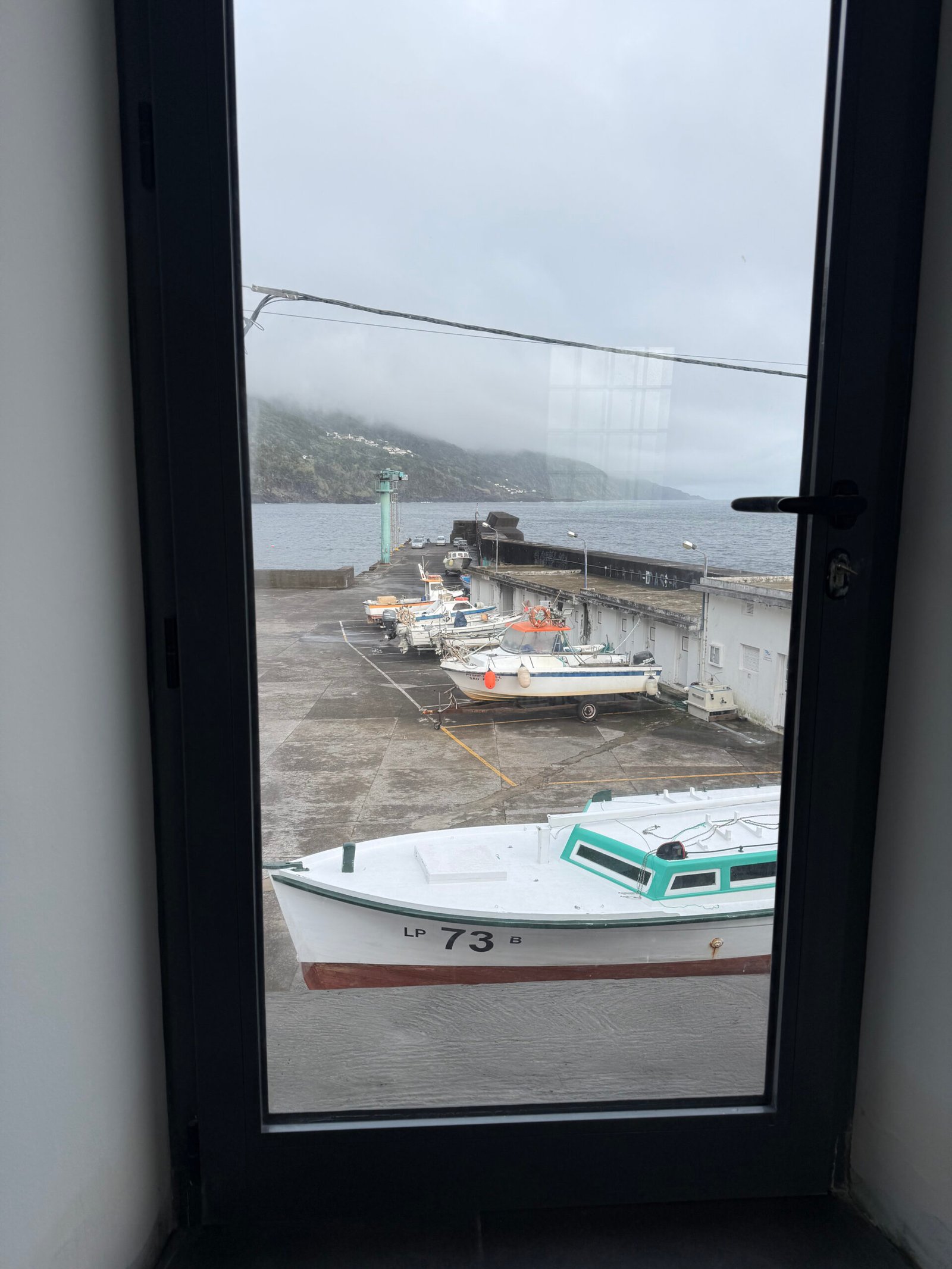
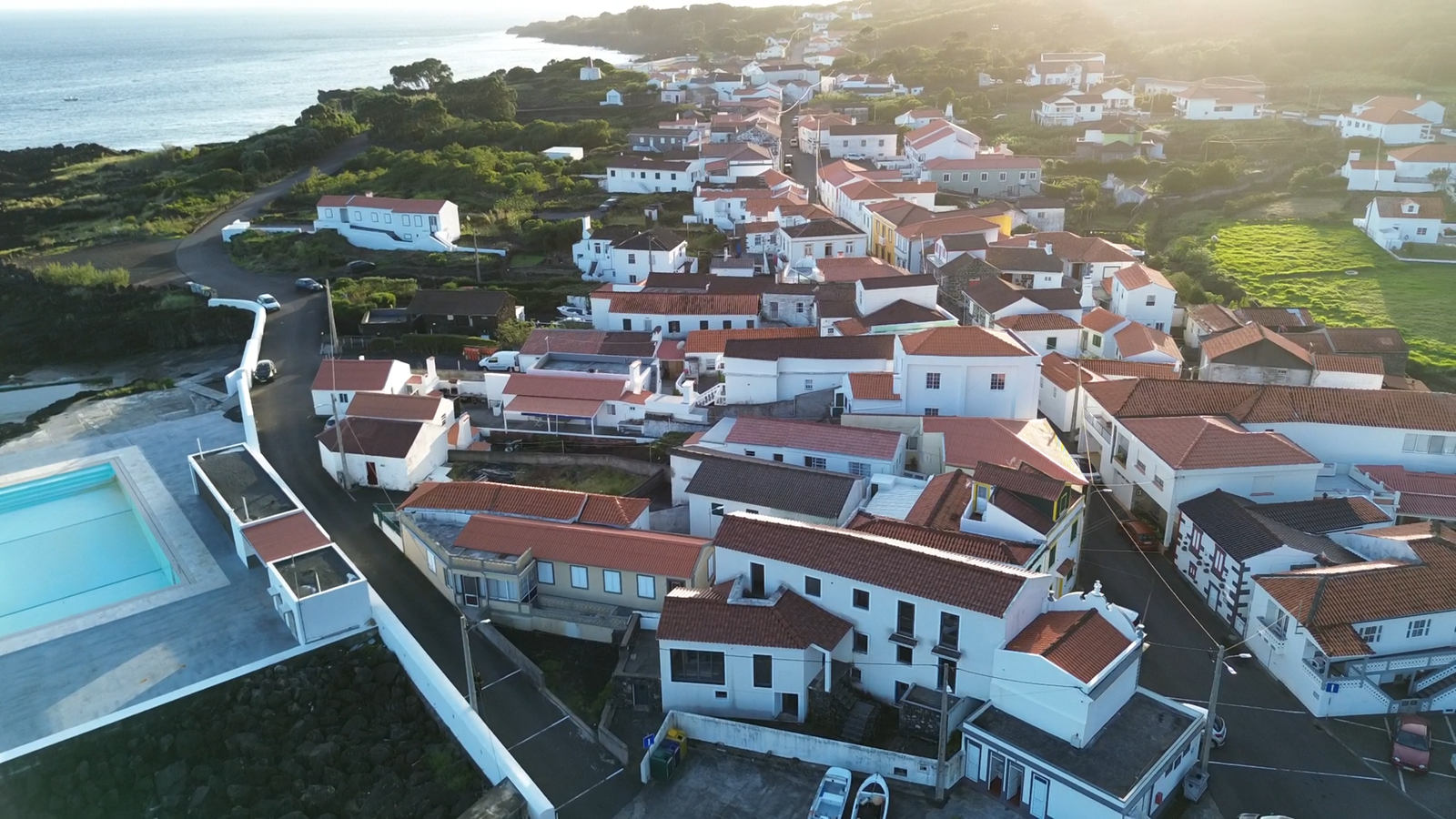
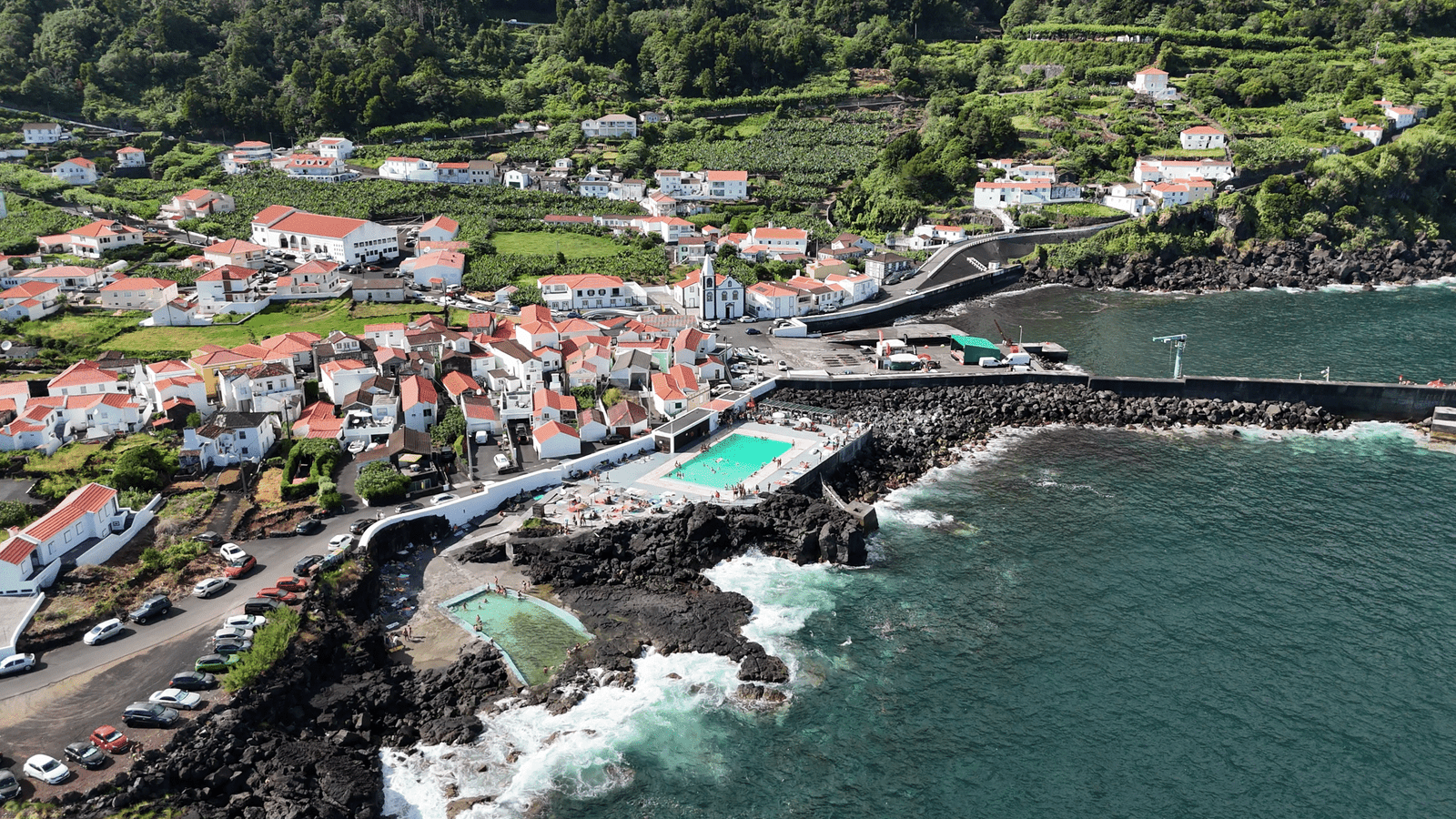
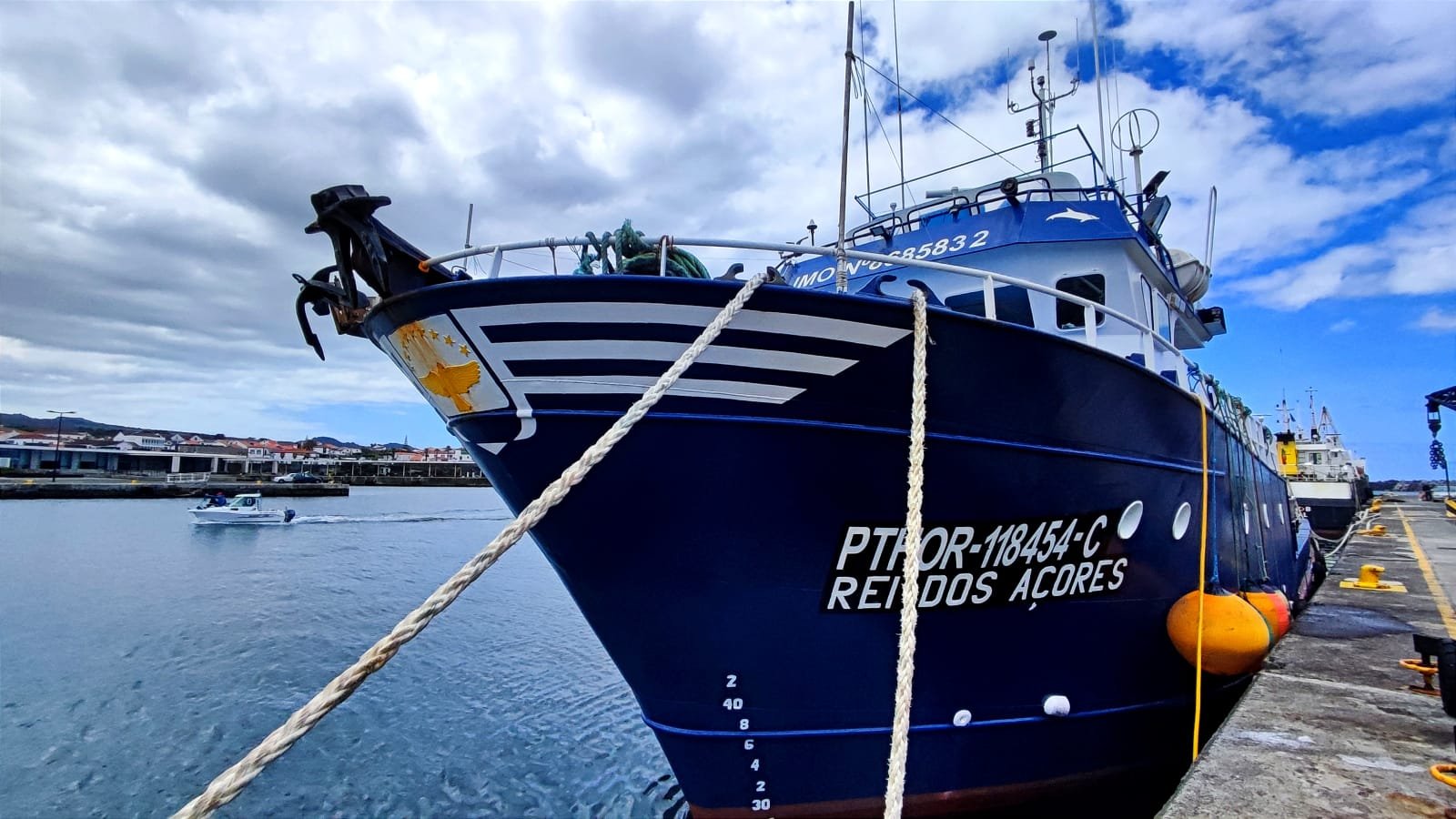
We are equally explicit about where we can operate with genuine advantage. We intend to concentrate operations across South Pico, from Lajes to Piedade, because response time and execution reliability are material drivers of performance. A Ribeiras-based operation allows proximity to function as a measurable input to outcomes.
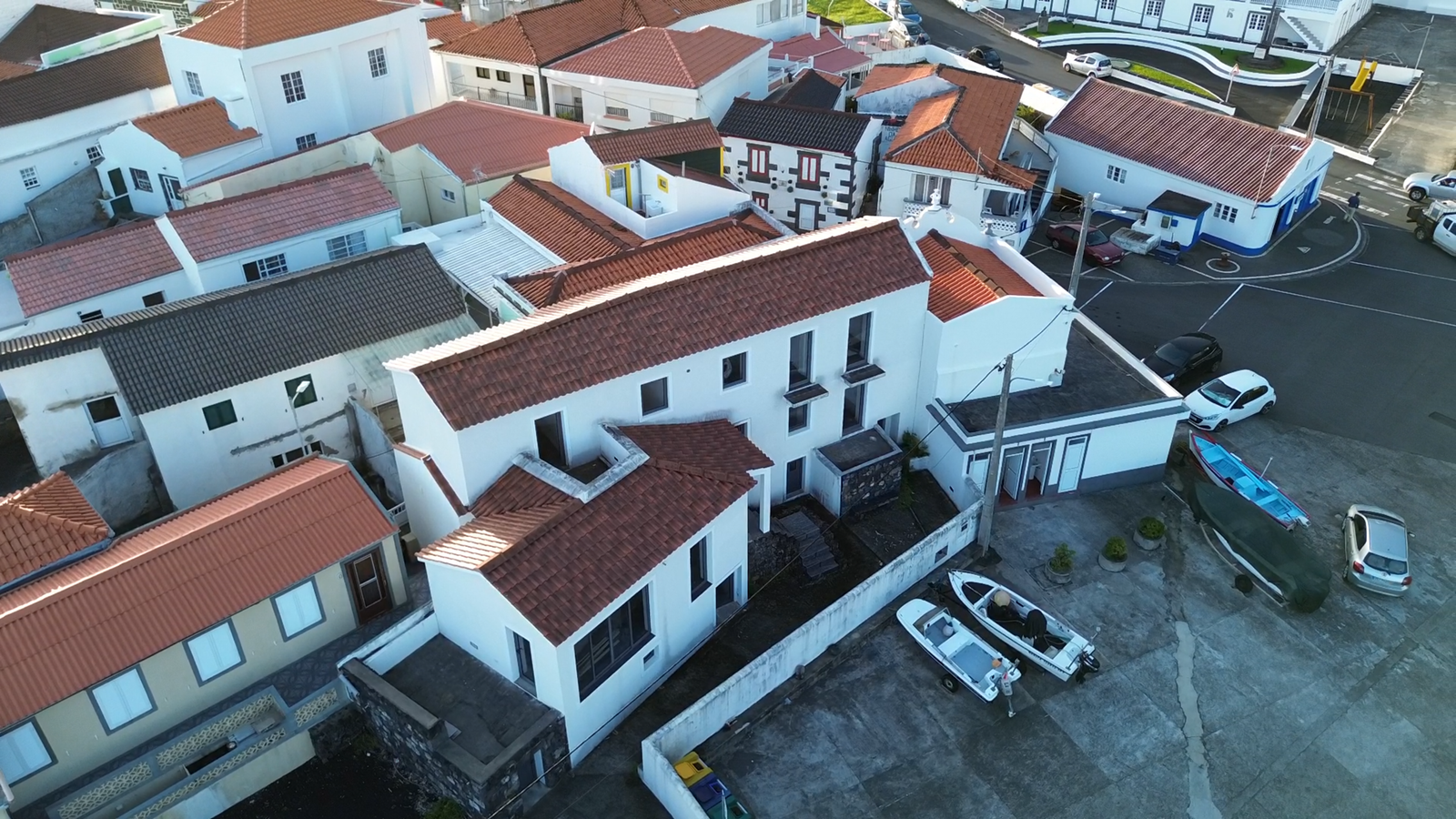
Consistency, however, is not secured by proximity alone. It requires infrastructure. We will operate from dedicated in-house facilities designed to standardise the workflows that determine day-to-day quality, including linen and laundry processes, consumables management, and quality control.
Scale also enables selected guest experience elements that are difficult to deliver reliably in independent, low-volume operations. Breakfast boxes and welcome touches are a clear example. A dedicated preparation area and controlled workflows allow these additions to be delivered consistently, with direct implications for differentiation, satisfaction, and reputation.
Owners also require transparency, follow-up, and a clear line of accountability. Our owner support office is built on direct access, combining personal communication and structured reporting with coordinated certified accounting and high-level economics and finance expertise. The objective is to provide owners with visibility and control, tighter financial discipline, and a more rigorous strategic framework as competition intensifies.
Our Property Hosting Services are built for owners who take a long-term view of their asset, without carrying the day-to-day burden of operating the system.
As we build this model, we intend to keep capacity limited. Operational systems degrade when scaled faster than they can absorb. If this approach matches what you are trying to achieve, contact us with the asset context and your objectives. We will be direct about fit and about the value we can realistically add.
Rodrigo Quadros
Founder, QuadrosGroup
More Insights
- December 12, 2025